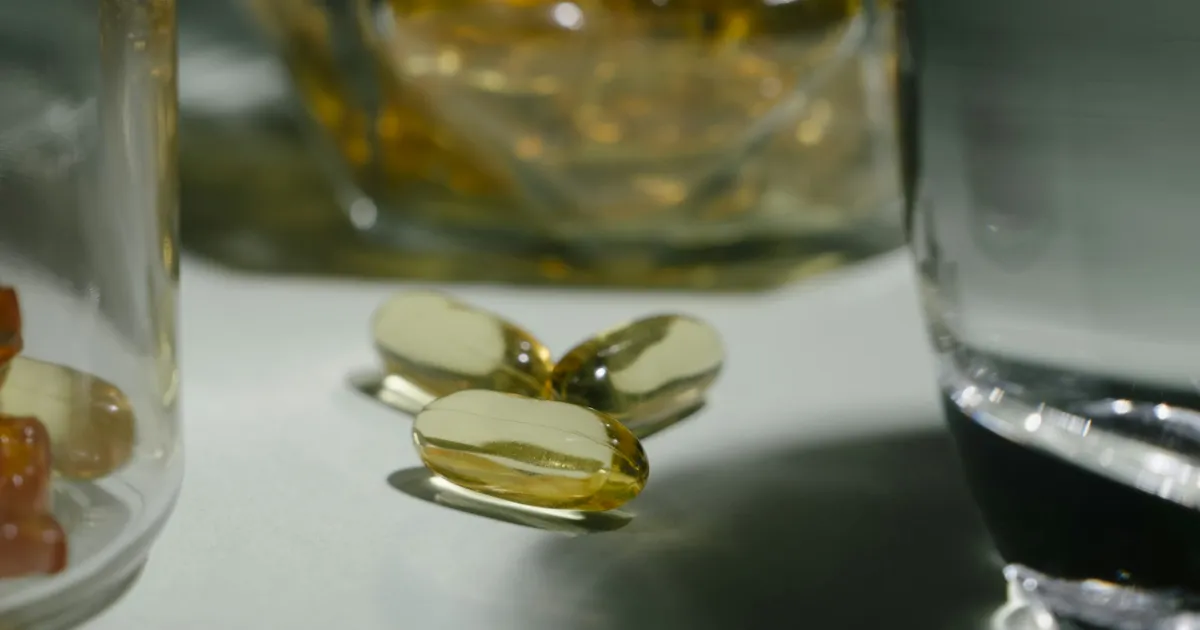
The bloating relief pill that works depends on your kind of bloating. Enteric-coated peppermint oil has the best evidence for gassy, crampy bloating. Gentle laxatives help when you’re backed up. Water pills only touch puffy, fluid bloating. Gas pills and charcoal have thin evidence. Multi-ingredient “debloat” blends are mostly untested.
You’ve stood in that aisle. Gas relief, digestive health, women’s health, the little boxes promising a flat stomach by dinner. Three of them are probably in your bathroom cabinet right now, each tried for a week, none clearly better than the last.
Some of them do work. They just work on completely different things. A water pill does nothing for gas. A gas pill does nothing for constipation. Buying by the word “bloating” on the box is how you end up with a drawer full of half-finished bottles.
So here’s the aisle sorted the way I’d sort a shelf at work: by what each pill actually does, what kind of bloating it fits, and how much evidence stands behind it.
Which bloating relief pills actually work?
The ones matched to your type of bloating. Gassy and crampy, backed up, and puffy with fluid are three different problems, and each has its own best option. Peppermint oil capsules have the strongest trial evidence overall. Gentle laxatives have strong evidence for constipation. Most other pills on the shelf have little.
| Pill type | Best for | Evidence | Watch out for |
|---|---|---|---|
| Enteric-coated peppermint oil | Gas, cramping, pressure | Strong | Can worsen heartburn |
| PEG laxative | Backed up, hard stools | Strong for constipation | Too much causes diarrhea |
| Magnesium oxide | Backed up, hard stools | Mixed | Avoid with kidney problems |
| Fiber capsules (psyllium) | Slow, irregular | Mixed | Start low or it adds gas |
| Lactase or bean enzyme | Bloating after dairy or beans | Mixed, food-specific | Only works on that food |
| Simethicone gas pills | Occasional gas after a big meal | Thin | Little effect on daily bloating |
| Activated charcoal | Gas | Thin | Can block other medicines |
| Water pills | Puffy, fluid, before a period | Thin for bloating | Dehydration, blood pressure |
| “Debloat” blends | Not clear | Mostly untested | Hard to know what works |
The rest of this page goes row by row.
Do gas pills help with bloating?
A little, sometimes, for gas after a big meal. Gas pills contain simethicone, which breaks large gas bubbles into smaller ones so they pass more easily. It doesn’t reduce how much gas you make, and the research on it for everyday bloating is old, small and unconvincing.
It’s harmless and cheap, so it’s reasonable to try once or twice after a heavy dinner. If you take it every day and still feel the same, that’s your answer. Daily bloating in your 40s usually has a cause that a bubble-breaker doesn’t reach.
Are peppermint oil capsules the best pill for bloating?
For gassy, crampy bloating, they have the most evidence of anything over the counter. Peppermint relaxes the smooth muscle of the gut, which eases spasm and helps trapped gas move. The capsules used in trials are enteric-coated, so they open in the intestine instead of the stomach.
A 2019 meta-analysis by Alammar and colleagues pooled 12 randomized trials with 835 people with IBS-type symptoms. Peppermint oil was about 2.4 times as likely as placebo to improve overall symptoms.
Peppermint tea isn’t the same dose or delivery, which may be why the tea did so little. And because peppermint relaxes the valve at the top of the stomach too, skip it if heartburn is already part of your picture.
Do water pills help with bloating?
Only with one kind of bloating: the puffy, fluid feeling, often in the days before a period. Water pills make you pee more, so they can ease water retention. They do nothing for gas or constipation, which cause most bloating in perimenopause.
Period bloating pills often contain pamabrom, a mild diuretic sold over the counter for menstrual water retention. Herbal “water pills” usually lean on dandelion. The best-known human study of dandelion leaf, published in 2009, had 17 volunteers and measured more trips to the bathroom over a day. It didn’t measure bloating at all.
Use water pills briefly, if at all. Taken often, they can leave you dehydrated or dizzy, and they interact with blood pressure medicines. If you’re swollen in the ankles as well as the belly, see a doctor rather than reaching for a diuretic.
Should I take laxatives for bloating?
If your bloating comes from being backed up, treating the constipation is often the single most effective thing you can do, and some laxatives have strong evidence. The 2023 joint guideline from the American Gastroenterological Association and American College of Gastroenterology strongly recommends polyethylene glycol (PEG) for chronic constipation.
PEG and magnesium oxide are osmotic laxatives, though magnesium got only a weaker, conditional recommendation in the same guideline. They pull water into the bowel to soften stool, and they’re generally the gentle, everyday kind. Stimulant laxatives such as senna work by making the bowel contract, and they’re better kept for occasional use. More on why this pattern shows up now in constipation in perimenopause.
If you’re constipated but not bloated, fiber may be enough. If fiber makes your bloating worse, there’s a reason for that, and psyllium tends to be the gentlest type.
Do digestive enzyme pills help bloating?
Single-food enzymes do, for that food. Lactase helps if dairy is your trigger, and alpha-galactosidase helps break down the sugars in beans and some vegetables. Broad “digestive enzyme” blends with a dozen ingredients are a different story, and good trials for them are scarce.
The test is simple. If your bloating reliably follows one food, an enzyme for that food is worth trying. If it follows every meal, an enzyme isn’t the missing piece.
Does activated charcoal help with bloating?
The evidence is mixed: some studies found less gas, others found none. The bigger issue is safety: charcoal binds to things in your gut, including other medicines, and can stop them working. That includes hormone therapy, thyroid pills and birth control taken by mouth.
If you try it, take it at least two hours apart from any other medicine, and not as a daily habit.
Are there pills for hormonal bloating?
Not a pill made for it, no. “Hormonal bloating” pills on the shelf are usually water pills, herbs, or a mix of the categories above with women’s-health packaging. The evidence for those blends in perimenopause specifically is close to nonexistent.
Hormone therapy is sometimes asked about here. For some women bloating settles once hormones are steadier, and for others it worsens at first. That’s a decision for you and your doctor, not something to start or stop for bloating alone. Here’s what the research on HRT and bloating shows.
There are prescription medicines for bloating that comes with IBS or stubborn constipation, and a gastroenterologist can talk you through them if over-the-counter options haven’t helped.
What about “debloat” pills and blends?
These combine several ingredients, often ginger, fennel, dandelion, enzymes and a probiotic, in one capsule. They may contain something that helps you. The problem is that you can’t tell which part, and most blends have only been tested by the companies that make them, if at all.
My rule from years of reading labels at work: a blend is only as good as the evidence for its best ingredient at the dose actually in the capsule. If the label hides the doses inside a “proprietary blend,” you can’t check that.
What this looks like in practice
- Name your bloating first. Gassy and crampy, backed up, or puffy with fluid. One week of notes is enough.
- Match one pill to it. Peppermint oil for gas and cramps, an osmotic laxative or psyllium for constipation, an enzyme only for a clear food trigger.
- Try it for two to four weeks. Change nothing else at the same time, and write down how you feel.
- Stop what doesn’t work. A pill that hasn’t helped in a month isn’t going to start.
- Read the interaction warning on the label if you take other medicines, especially blood pressure pills, thyroid medicine or hormone therapy.
- See a doctor if bloating never goes down, keeps getting worse, or comes with weight loss, bleeding or feeling full after a few bites.
If none of these fit, or you’ve tried them and the bloating persists, the full picture of what helps perimenopause bloating covers the non-pill steps too, and this evidence-graded list goes deeper on peppermint oil and magnesium.
If the bloating keeps coming back and you’d rather go straight to a daily supplement, here’s my comparison of the best supplements for perimenopause bloating.
Common questions
What is the fastest-acting pill for bloating?
Gas pills with simethicone act within an hour or so but only help some people after a heavy meal. Peppermint oil capsules tend to work over days to weeks of regular use. Nothing reliably flattens a bloated belly within minutes, so be cautious of any product promising instant results.
Can I take bloating pills every day?
Some, yes. Peppermint oil capsules, psyllium and osmotic laxatives like PEG are used daily in trials and in practice. Water pills, stimulant laxatives and charcoal are better kept occasional. If you need a pill every day just to feel normal, it’s worth a doctor visit to look for the cause.
Do probiotic pills help bloating?
Some strains help some women, and many probiotics do nothing for bloating at all. Results depend heavily on the specific strain and dose, and a 2021 gastroenterology guideline rated the evidence for probiotics in IBS as very low. If you try one, choose named strains and give it four weeks.
Are bloating pills safe in perimenopause?
Most over-the-counter options are safe for short-term use, but a few interact with common medicines. Charcoal can block other pills, water pills affect blood pressure, and peppermint can worsen reflux. If you take thyroid medicine, hormone therapy or blood pressure pills, read the interaction warning on the label before adding anything new.
Why do bloating pills not work for me?
Usually because the pill doesn’t match the cause. Gas pills don’t touch constipation, water pills don’t touch gas, and enzymes only help with specific foods. Slow digestion and gut sensitivity in perimenopause often need a combination of steps rather than a single pill. Persistent bloating also deserves a doctor’s look.
Can iron or fiber pills cause bloating?
Yes. Iron supplements commonly cause constipation, which can lead to bloating, and fiber pills cause gas if you start with too much too quickly. If bloating began after starting either, talk to your doctor about the dose or form, and increase fiber slowly over two to three weeks.
If you’ve matched your bloating to a pill and it’s the gassy, unpredictable kind that peppermint only partly helps, the next thing most women try is a probiotic. That’s also where most money gets wasted. Here’s how to read a probiotic label before you buy one.
Fortylight is written by Nina Halvorsen, a food scientist, not a physician, dietitian, or licensed health professional. Nothing here is medical advice. Digestive symptoms can signal serious conditions. If you have blood in your stool, unexplained weight loss, persistent vomiting, difficulty swallowing, bleeding after menopause, or symptoms that began after age 50, see a doctor before trying anything on this site.