Being bloated all the time in your 40s is often hormonal. Perimenopause slows your gut and changes how you hold fluid. What comes with it tells you more: constipation, gas, tiredness or weight gain each point somewhere different. Bloating that never goes down, or started after 50, needs a doctor and a simple blood test.
It used to be a bad-day thing. A big dinner, a long flight, the week before your period. Now it’s most days. You wake up almost normal, and by lunch your waistband has an opinion.
You’ve probably already gone looking for the cause in your food. Bread out, then dairy, then onions. Maybe a food diary for two weeks that showed nothing except how much you’d started to dread eating. And the answer from the doctor, if you asked, was some version of “everyone gets bloated.”
Everyone does get bloated. Not every day, for months, starting in their forties. That part has an explanation, and the clues are in whatever else you’ve noticed alongside it.
Why am I bloated all the time now?
Most often because perimenopause slows the gut down. Estrogen and progesterone both help set how fast food moves through you, and in your 40s they swing up and down instead of following a monthly pattern. Slower transit means gas and stool sit longer, and you feel it as constant pressure.
You’re in large company. A 2023 study by Ballou and colleagues in Gastroenterology surveyed 51,425 adults in 26 countries and found nearly 18% had bloating at least once a week. Women were about twice as likely as men to report it. That’s everyone, not only women in their forties, which means the hormonal years stack on top of an already common problem.
The pattern that matters most: does it ease overnight? Flat-ish in the morning and swollen by evening is the classic hormonal and gas picture, and that daily swing has been measured. Bloating that’s the same at 7am and 7pm is a different story, covered further down.
Bloated all the time and constipated
This is the most common pairing, and the most fixable. If you’re going less than once a day, straining, or never feel quite finished, the bloating is very likely the backlog itself. Stool sits, ferments, and produces gas that has nowhere to go.
Constipation becomes more common as estrogen falls, and many women don’t call it constipation because they still go most days. Going daily but small, hard and incomplete still counts. Here’s why constipation shows up in perimenopause, and why fixing it usually helps the bloating more than anything else on this page.
Bloated and gassy all the time (and burping)
Gas from below and burping from above usually have different sources. Lots of wind tends to come from fermentation lower down, which slower transit makes worse. Constant burping is more often swallowed air or something going on in the stomach and esophagus, and reflux becomes more common in perimenopause too.
If burping comes with a burning chest or a sour taste, it’s worth reading about why heartburn starts in your forties. If it’s mostly wind, notice whether it’s worse after specific foods. Beans, onions and sugar-free sweeteners ferment more than most foods, and that’s a pattern you can test in a week.
Bloated all the time and tired
This pairing is worth taking to a doctor, because two common, testable conditions cause both. An underactive thyroid slows the whole body, gut included, and is common in women in their 40s and 50s. Low iron, often from heavy perimenopausal periods, causes exhaustion and is easy to miss.
Celiac disease belongs on the same list. It can cause bloating and tiredness for years before anyone thinks of it, and the tiredness often comes from the low iron it causes.
A detail almost nobody mentions: the celiac blood test only works if you’re still eating gluten. If you’ve already cut it out and feel a bit better, the test can come back falsely normal. Ask your doctor about this before you go back to bread, or before you assume a negative result settles it.
The blood tests are routine. Ask for a thyroid test (TSH), a full blood count with ferritin for iron, and a celiac antibody test. If all three come back normal, you’ve ruled out the common medical causes, and the hormonal explanation gets stronger.
Bloated all the time and gaining weight
These overlap but aren’t the same thing. Bloating changes within a day. Weight gain around the middle, which is common in perimenopause as fat storage shifts toward the belly, changes over months. Most women have some of both, and it’s genuinely hard to tell from the mirror.
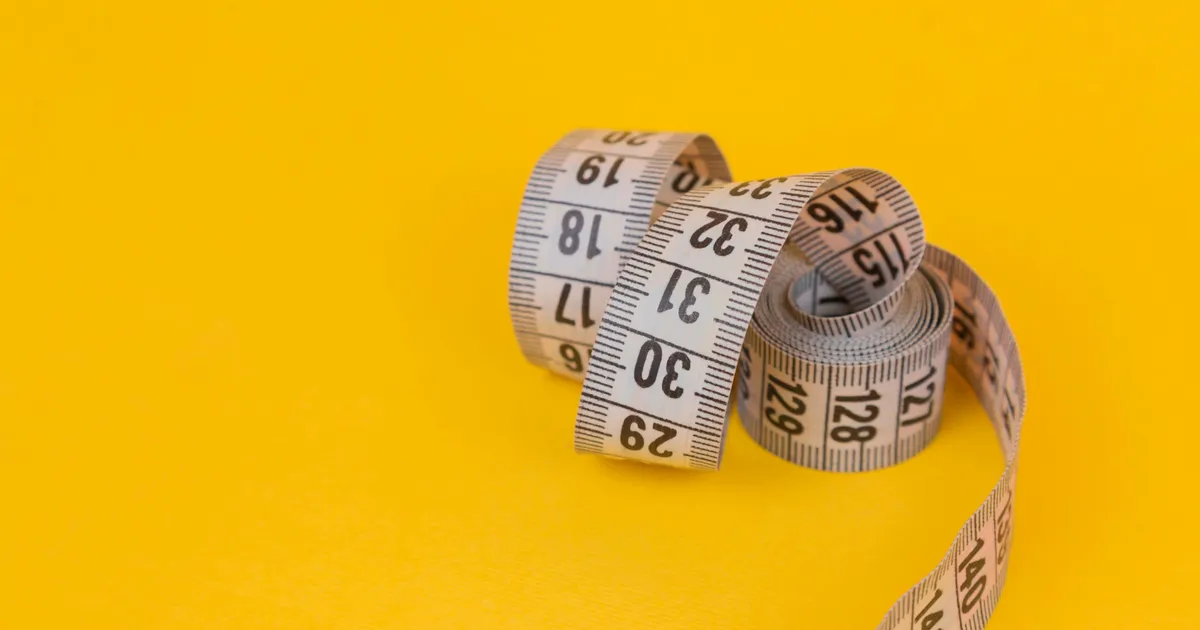
A soft tape measure settles it. Measure at your belly button first thing in the morning and again before bed for a week. A big gap between the two is bloating. A steady number that creeps up month to month is weight. Here’s the full way to tell them apart.
One exception matters. A belly that’s getting bigger along with feeling full quickly, losing appetite, or needing to pee more often is a combination to show a doctor promptly, especially after 50.
Bloated all the time no matter what I eat
When bloating shows up regardless of the meal, the food usually isn’t the main problem. That’s why elimination diets so often disappoint at this age. Two other things tend to be going on, and neither shows up on a scan.
The first is sensitivity. Some women’s guts start registering normal amounts of gas as pressure or pain. Nothing extra is there. The volume knob is just turned up.
The second surprised me most when I read the research. In many people with constant bloating, the belly swells without extra gas at all. Studies from a gut research group in Barcelona showed that the diaphragm pushes down while the belly wall relaxes outward, a reflex that should work the other way round. The swelling is real and visible. It just isn’t coming from more gas.
That reflex can be retrained, and the progesterone piece explains why it may get worse now. If you’ve cut gluten and dairy and nothing changed, that result is telling you something too.
Is it normal to feel bloated every day?
Common, yes. Something to simply live with, no. Daily bloating that eases overnight and fits one of the patterns above is most often hormonal and harmless. Bloating that never goes down, keeps getting worse, or started after 50 is different, and needs a doctor rather than another diet.
The UK’s NICE guideline on ovarian cancer tells doctors to test women, particularly over 50, whose bloating is persistent or happens more than 12 times a month. That isn’t meant to frighten you. Ovarian cancer is rare. It’s mentioned because its early signs are vague and easily blamed on hormones, and the first check is a simple blood test (CA-125) with an ultrasound if needed.
Other reasons to book the appointment: blood in your stool, weight loss you didn’t try for, vomiting, trouble swallowing, or bleeding after your periods have stopped. If your tests already came back clear, here’s what a normal result does and doesn’t rule out.
What this looks like in practice
| What comes with your bloating | Most likely direction | First step |
|---|---|---|
| Constipation, straining | Slow transit | Treat the backlog |
| Lots of wind | Fermentation | Track foods for a week |
| Burping, burning chest | Swallowed air or reflux | Look at reflux |
| Tiredness | Thyroid, iron, celiac | Ask for three blood tests |
| Slow weight gain | Fat shifting to the belly | Tape measure for a week |
| Same no matter what you eat | Gut sensitivity, belly reflex | Stop cutting foods |
| Never goes down, or new after 50 | Needs checking | Book a doctor |
- Measure for a week. Morning and evening, same spot, written down. It turns “bloated all the time” into a pattern you can show someone.
- Write down what comes with it. Bowel habits, gas, energy, appetite. The companion symptom is the clue.
- Get the blood tests if you’re tired. Thyroid, iron and celiac, and eat gluten before the celiac test.
- Stop removing foods for now. If elimination hasn’t worked twice, a third round won’t either.
- Book the doctor for the red flags. And say the word perimenopause in the room yourself if nobody else does.
Common questions
Why am I bloated all the time even when I barely eat?
Eating less doesn’t always help, because the bloating often comes from slow transit, sensitivity or the belly reflex rather than the amount of food. Skipping meals can even make it worse by leading to one large meal later. Smaller, regular meals and treating any constipation usually do more than eating less.
Can hormones cause constant bloating?
Yes. Estrogen and progesterone both affect how fast your gut moves and how much fluid you hold, and in perimenopause they rise and fall unpredictably. That’s why bloating can feel constant for weeks and then ease. It’s most common in the erratic years before periods stop, rather than after menopause.
Can stress make you bloated all the time?
Stress can make bloating worse, because the gut and brain are wired closely together and stress turns up how strongly you feel normal gas. It rarely explains bloating on its own, though. If someone tells you it’s just stress, it’s still reasonable to ask for the basic blood tests first.
Can thyroid problems cause bloating?
An underactive thyroid can slow your digestion and cause constipation and bloating, along with tiredness, feeling cold and weight gain. It’s common in women in their 40s and 50s and easy to test with a single blood test called TSH. If you’re tired and bloated, it’s worth asking for.
Does drinking more water help constant bloating?
Water helps if you’re constipated, because it softens stool, especially if you’re also eating more fiber. It won’t fix bloating from gas sensitivity or hormones on its own. Sipping steadily through the day works better than large amounts at once, which can add to the full, sloshing feeling.
Is being bloated all the time a sign of something serious?
Usually not, but sometimes. Bloating that eases overnight and has been around a while is most often hormonal or digestive. Bloating that never goes down, keeps worsening, comes with feeling full quickly, or started after 50 should be checked by a doctor, who may suggest a blood test and an ultrasound.
Once you know which pattern is yours, the next question is the practical one: what actually makes it better, tonight and over the next month. Here’s what helps perimenopause bloating, and what’s actually worth your money.
If you already know yours is the gassy kind or the backed-up kind, these are the two supplements I’d look at first.
Fortylight is written by Nina Halvorsen, a food scientist, not a physician, dietitian, or licensed health professional. Nothing here is medical advice. Digestive symptoms can signal serious conditions. If you have blood in your stool, unexplained weight loss, persistent vomiting, difficulty swallowing, bleeding after menopause, or symptoms that began after age 50, see a doctor before trying anything on this site.