The home remedies for bloating with the best evidence are enteric-coated peppermint oil and a walk after meals. Ginger helps a heavy, slow stomach, and heat eases cramping. Fennel tea is gentle but barely tested. Apple cider vinegar has no good evidence. For daily bloating, a supplement matched to your type does more.
Your kitchen probably already has a bloating shelf. A box of peppermint tea, half a jar of fennel seeds, the apple cider vinegar someone online swore by, a hot water bottle in the drawer. Some nights one of them helps. Most nights you can’t tell.
That’s the trouble with home remedies. They’re passed around by people who felt better once, and nobody keeps score.
So I kept score. I read the trials the way I used to read culture counts at work, looking at how many people, for how long, and who paid. Here are nine remedies, ranked by what stands behind them.
What is the best natural remedy for bloating?
Enteric-coated peppermint oil, by a clear margin. It’s the only home remedy with a stack of randomized trials behind it. A walk after meals comes second, and it costs nothing.
| Rank | Remedy | Best for | Evidence |
|---|---|---|---|
| 1 | Enteric-coated peppermint oil capsules | Gas, cramping, pressure | Strong |
| 2 | Walking 10 to 15 minutes after eating | Trapped gas | Small trials |
| 3 | Psyllium, started slowly | Backed-up bloating | Good for constipation |
| 4 | Ginger, as tea or capsules | Heavy, slow feeling after meals | Small trials |
| 5 | Heat on the belly | Cramping | Anecdotal |
| 6 | Clockwise belly massage | Gas, sluggish bowels | Thin |
| 7 | Fennel tea or seeds | Gas after meals | Anecdotal |
| 8 | Chamomile tea | Bloating with tension | Anecdotal |
| 9 | Apple cider vinegar | Not clear | No good evidence |
A 2026 meta-analysis in Phytotherapy Research gathered 60 trials of plant-based treatments for IBS, with 6,329 patients in all. Only two remedies had enough trials to pool. Peppermint oil, across 7 studies, made people about 1.6 times as likely to improve. Fiber, across 8 studies, about 1.2 times. Everything else had too few trials to judge.
Tea for bloating: peppermint, ginger or fennel?
Ginger, if your bloating feels heavy and slow after meals. Peppermint, if it’s crampy, as long as you don’t get heartburn. Fennel is the gentlest and the least tested.
A mug of peppermint tea isn’t the same as the capsules in the trials. The studies used enteric-coated capsules that open in the intestine, at a far higher dose than a tea bag. Enjoy the tea. Expect more from the capsule.
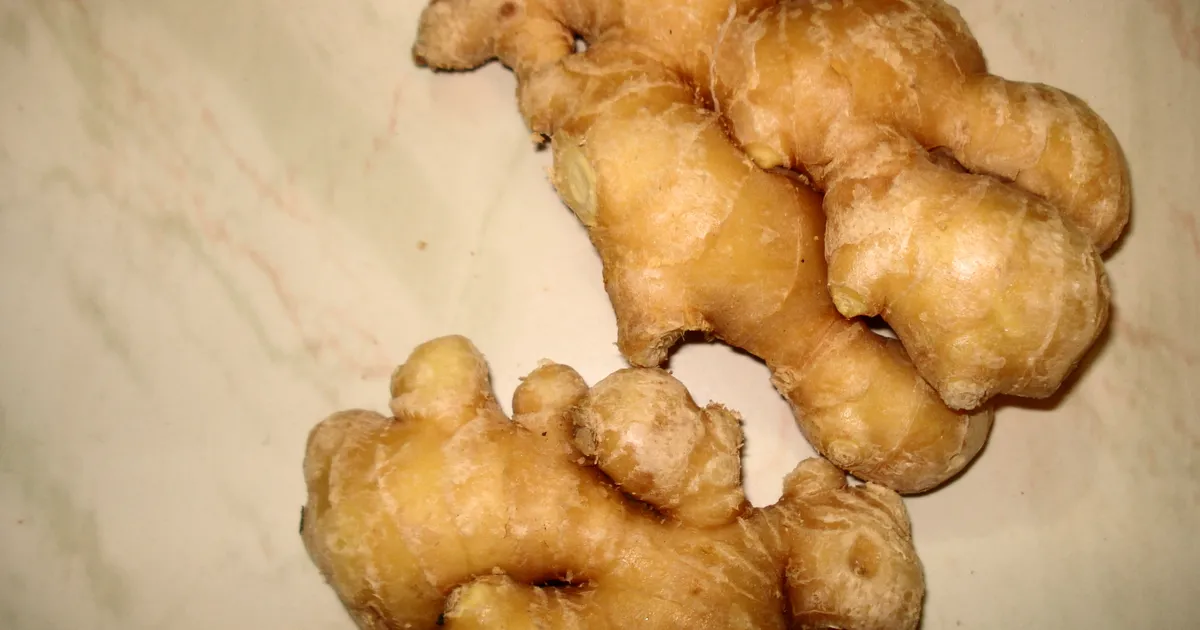
Ginger has a small, real experiment behind it. In a 2011 study of 11 people with indigestion, 1.2 grams of ginger made the stomach empty faster than a placebo, with a half-emptying time of about 12 minutes against 16. A 2008 study in 24 healthy volunteers found the same speed-up. Fullness scores didn’t move much, so ginger suits the slow, heavy stomach best.
Fennel seeds are chewed after meals across much of South Asia, and fennel tea is the classic bloating tea in Europe. I couldn’t find a trial of fennel alone for bloating. It’s pleasant, cheap and safe for most women, so it’s fine as a ritual.
Herbs for bloating and digestion
Beyond peppermint and ginger, the evidence thins out fast. Caraway, anise, chamomile, turmeric and lemon balm all appear in herbal “digestive” teas and blends. Each has a trial or two at best, usually small, usually in IBS rather than everyday bloating. Multi-herb “digestive” blends are the hardest to judge, because with eight herbs in one capsule nobody can tell which one, if any, is doing the work.
Does apple cider vinegar help bloating?
There’s no good evidence that it does, and one small study points the other way. Vinegar is sold online as a stomach “reset,” and the trials simply aren’t there.
In a 2007 study in BMC Gastroenterology, 10 people with type 1 diabetes and slow stomach emptying drank 30 ml of apple cider vinegar with a meal. Their stomachs emptied even more slowly: 17% of the meal had moved on at the measurement point, against 27% without vinegar. A slower stomach is the last thing you want if you already feel full and heavy.
It’s also acidic enough to irritate the throat and wear tooth enamel. I’d skip it and put the money toward something with trials.
Bloated stomach remedies you can do at home
Movement, heat and position, in that order. These cost nothing and work within the hour on a bad evening.
- Walk after eating. In a 2006 study, 8 people with bloating held on to 45% of the gas infused into their gut while lying still. Gentle pedaling cut that significantly and eased their symptoms.
- Heat. A hot water bottle or warm compress relaxes the muscles of the belly wall and eases cramping. Nobody has trialed it for bloating. Generations of women have used it anyway.
- Clockwise belly massage. Small circles from the lower right, up, across and down the left side, following the path of the colon, for five minutes.
- Knees to chest. Lie on your back and pull your knees in, or curl onto your left side, to help a stuck pocket of gas move.
If you want these laid out as a tonight plan, how to debloat your stomach fast puts them in order by the clock. And if your bloating is mostly gas, how to get rid of gas and bloating naturally goes deeper on drinks and the foods that feed it.
One line that matters: bloating that never goes down, keeps getting worse, or comes with weight loss, bleeding or feeling full after a few bites belongs with a doctor.
Home remedies for bloating and constipation
When you’re backed up, treat the constipation and the bloating usually follows. Water helps fiber work, so the two go together. Psyllium is the gentlest fiber for a slow gut, started at a teaspoon a day and raised over two to three weeks with a full glass of water.
Kiwi and prunes are the food remedies with the most research for constipation. Natural laxatives, ranked by evidence, covers the doses used in studies, and how to relieve constipation naturally covers what to do tonight and week to week.
Be careful with “gut health” bars and powders loaded with inulin or chicory root. They ferment fast and often make bloating worse in a slow perimenopausal gut.
When home remedies aren’t enough
Home remedies treat the bad evening. A daily supplement is what changes the pattern. If you’re reaching for the hot water bottle three nights a week, the remedy is working and the cause is still there.
The supplement that fits depends on your type of bloating:
- Gassy and crampy, worse in the afternoon: a probiotic built on bifidobacteria, paired with a gentle prebiotic such as XOS. A 2025 European consensus on bloating concluded that selected probiotics may improve it, and bifidobacteria are among the most tested.
- Backed up, hard stools, a heavy lower belly: a daily fiber blend with psyllium and a probiotic, which supports regularity day to day.
Pick one, take it daily for 4 weeks, and change nothing else, so you know what did it.
What this looks like in practice
- Tonight: a 15-minute walk after dinner, a hot water bottle, and ginger or fennel tea.
- For crampy days: enteric-coated peppermint oil capsules, unless heartburn is part of your picture.
- For backed-up days: psyllium, a teaspoon to start, with a full glass of water.
- Retire the vinegar: it has no evidence for bloating and may slow your stomach.
- If bloating comes back most days: choose one supplement matched to your type and give it 4 weeks.
For the full picture, including fluid and hormones, how to get rid of bloating after 40 ties all of this together.
Common questions
What is the fastest home remedy for bloating?
A brisk 10 to 15 minute walk is the quickest, because movement pushes trapped gas along the gut. A hot water bottle on the belly and lying with your knees pulled to your chest can ease cramping within minutes. For crampy bloating that returns, enteric-coated peppermint oil has the strongest trial evidence of any natural remedy.
Which tea is best for bloating?
Ginger tea suits a heavy, slow stomach after meals, since small trials show ginger speeds stomach emptying. Peppermint tea suits crampy gas, though the capsules in trials are far stronger than tea. Fennel and chamomile teas are gentle and safe for most women, with very little research behind them for bloating.
Does lemon water help bloating?
Lemon water helps in the same way plain water does, by keeping you hydrated so fiber can soften stool. There’s no trial showing lemon itself reduces bloating. If you enjoy it, it’s a good habit, especially if it replaces fizzy drinks, which add gas directly to an already bloated stomach.
Do herbal supplements for bloating work?
Peppermint oil does, with 7 pooled trials showing a clear benefit in a 2026 meta-analysis. Ginger has small but positive trials. Most other herbs and multi-herb “digestive” blends have too few studies to judge. For bloating that returns daily, a probiotic or fiber supplement matched to your type is the daily step to add.
How can I reduce bloating overnight?
Walk after dinner, eat a smaller evening meal, skip fizzy drinks and sugar-free sweets, and have a cup of ginger or peppermint tea. Lying on your left side can help gas move. Overnight steps ease that evening. A daily supplement matched to your bloating type is what lowers how often it happens.
Are home remedies safe in perimenopause?
Most are, with a few simple rules. If you take hormone therapy or other prescriptions, run new supplements past your pharmacist once. Peppermint can worsen heartburn, and psyllium goes down with a full glass of water, a few hours apart from thyroid medicine. Used that way, these remedies fit easily into a perimenopause routine.
Use the remedies for the bad evenings, and keep the top two. If the bloating still comes back most days, the next step is a supplement chosen for your type of bloating. When home remedies aren’t enough, here are two supplements compared, one for the gassy kind and one for the backed-up kind.
Fortylight is written by Nina Halvorsen, a food scientist, not a physician, dietitian, or licensed health professional. Nothing here is medical advice. Digestive symptoms can signal serious conditions. If you have blood in your stool, unexplained weight loss, persistent vomiting, difficulty swallowing, bleeding after menopause, or symptoms that began after age 50, see a doctor before trying anything on this site.